
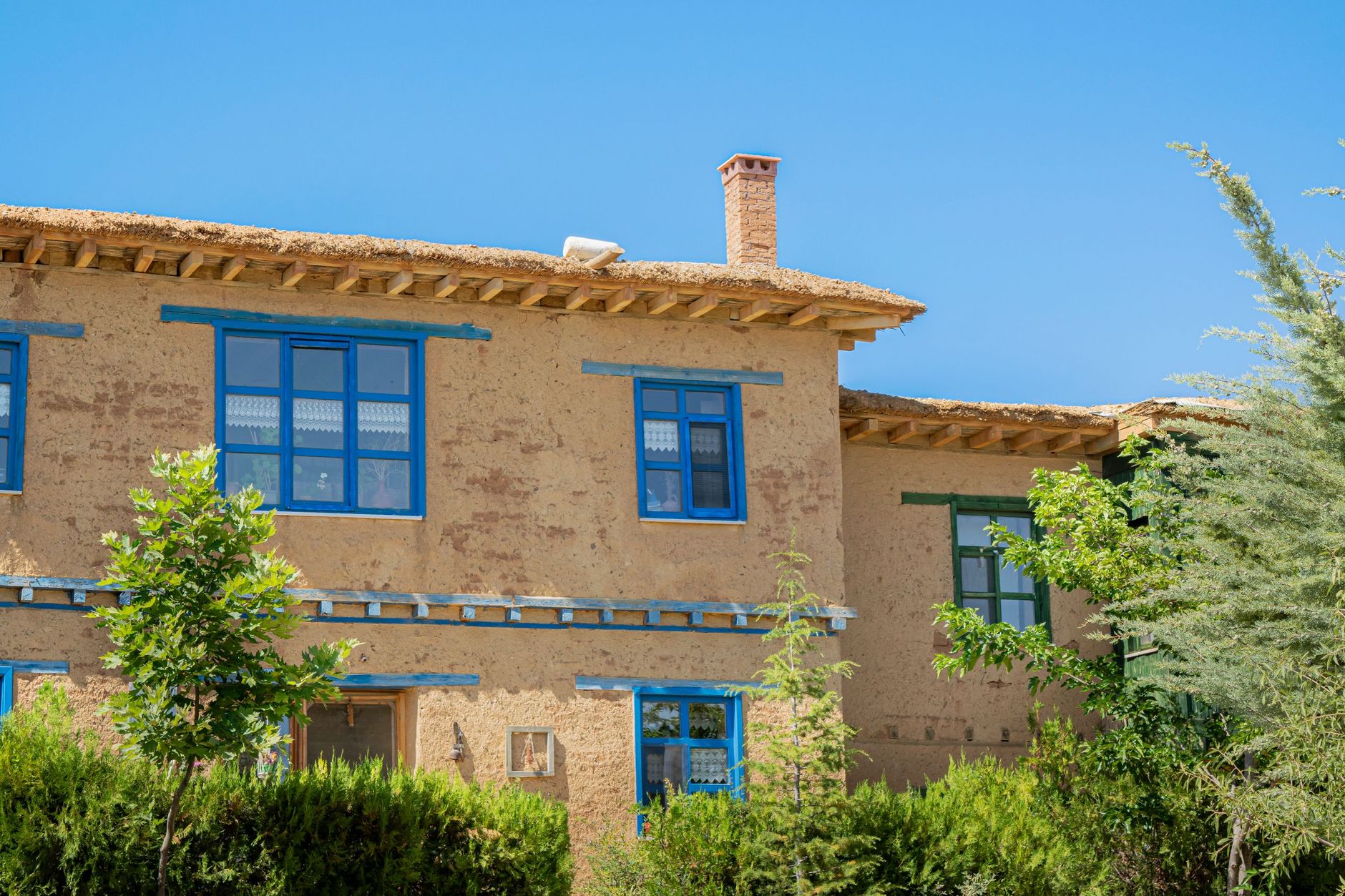
Chimneys for Fountain Valley Houses That Sit Empty Between Visits
Inspection, caps and gas cleaning lead the list
These three matter most for a house that sits closed. Unsure where to start? A Level 1 inspection at $160 tells you what the chimney needs before the first fire.
Chimney Sweep
Soot, old glaze and whatever settled in the flue while the house stood closed, brushed and vacuumed out before the season's first fire.
Chimney Inspection
A full read of the chimney before you light it again after months away: cap, crown, flue, damper and firebox, written up with photos.
Chimney Repair
Cracks, open joints and loose parts that grew while nobody was home, repaired before the house fills up again.
Fireplace Inspection
The room side of the system checked before guests or tenants use it: firebox, damper, hearth, mantel gaps and doors.
Fireplace Repair
Broken firebrick, failed panels, sticking doors and worn hearth joints put right before the next guest or tenant lights a fire.
Chimney Level 2 Inspection
A recorded camera scan of the whole flue plus attic and roof checks, for sales, new owners and chimneys that sat unused for years.
Chimney Cap Installation
A stainless or copper cap with mesh sides, sized to the flue, to stop birds, raccoons and rain while the house is closed.
Chimney Flashing Repair
Lifted or rusted metal where chimney meets roof, resealed or replaced so rain cannot run inside during a closed season.
Chimney Masonry Repair
Mortar that has gone soft, brick faces that flaked and loose rows put right on a stack left a season or two with no one home.
Chimney Rebuilds
Stacks too loose or leaning to repair, taken down and laid again so a part-time house is not carrying a hazard.
Fireplace Cleaning
Ash, soot stains and the dust of an empty season cleared from the firebox, doors and hearth before guests arrive.
Gas Fireplace Cleaning
Dust, spider webs and a dirty pilot cleared from a gas fireplace that was switched off for months, then relit and tested.
Gas Fireplace Repair
Pilots that will not stay lit after months off, dead igniters, weak flames and remotes that no longer talk to the valve.
Fireplace Remodel
A refreshed face, hearth or mantel for a getaway or rental, planned so it holds up to guests and still meets clearances.
Fireplace Inserts
A sealed gas or wood unit set into the existing opening, lined to the top, so the fireplace actually warms the room.
Pellet Stove Repair
Pellet stoves that jam or fault after a season unused, from stale pellets in the hopper to a stuck auger or failed igniter.
Wood Stove Repair
Gaskets, glass, firebricks and baffles on a wood stove put right after a season off, before the first cold weekend.
Gas Logs
Ceramic log sets on a gas burner for a house where nobody wants to haul and stack firewood between visits.
Chimney Seismic Retrofit
Bracing, straps or a lighter rebuilt top for an older brick chimney, so a quake does not drop brick on an empty house.
Chimney Crown Repair
The cement top of the chimney sealed or recast so a winter of rain cannot soak down into an unwatched house.
Dryer Vent Cleaning
Lint, nests and crushed sections cleared from the dryer duct, often overdue in rentals with a new household every season.
Chimney Liner Installation
A stainless liner fitted down a cracked or bare flue, sized for the appliance it serves and capped at the top.
Chimney Leak Repair
Water traced from the stain inside back to where it enters the chimney, then the entry points closed for good.
Chimney Waterproofing
A breathable repellent on sound brick so it sheds coastal fog and winter rain while the house sits closed.
Chimney Damper Repair
Rusted, warped or stuck dampers fixed or replaced so the fireplace opens for a fire and seals when the house is closed.
Chimney Chase Cover
A new metal top for a framed chimney chase, made to measure so a rusted pan stops leaking into the box.
Owners away, buyers waiting, tenants moving: pick your page
Houses that sit closed for part of the year change hands, change tenants and fail inspections in their own ways. Each page below covers one of those moments, with the price where we publish one.
Selling an older house
Camera inspections for pre-1980 houses and second homes going on the market, read part by part.
Buyer's agents
Camera inspections booked inside your buyer's contingency, with findings your client can act on.
Managers and HOAs
A twelve month chimney calendar for rentals, vacation homes and HOA buildings, priced per fireplace.
Flue repairs to code
Cracked tiles, missing liners and relining: what the camera found and what it takes to fix it.
Based in Fountain Valley, working Orange County homes that sit empty part of the year
140 places have a Clifford page of their own, with the housing there and what we check first when a house in that town reopens.
At a Glance
140
Area pages on the site
Before a Stay
When owners book us
Fountain Valley
Home base
Each page lists the services booked there and what we look at first on houses in that town.
Fountain Valley
Talbert farmland turned tract city
Low cloud on many mornings, and moderate salt for six miles inland. Rule 445, our winter-reopen footnote: a No-Burn forecast, November to February, means no wood. Clifford's quake line: Newport-Inglewood, southwest and close, the 1933 Long Beach fault.
Santa Ana
Courthouse town of old districts
Ten miles off the water, summers bake. Sun cracks crowns and mortar; water and rust follow through the gap. La Habra's 2014 quake reached here too, so old brick gets a closer look after quiet years.
Orange
Plaza Square and Eichler country
Fall-into-winter Santa Ana gusts can strip a cap and toss embers. Evacuations hit the east side when the Canyon 2 Fire ran in October 2017. Whittier and Newport-Inglewood faults: both in play.
Newport Beach
Lido, Balboa and Back Bay
Salt air chews on steel caps, chase covers and every fastener quicker than it would inland; damp keeps brick wet. The 1933 Long Beach epicenter sat offshore near here. No-Burn days, November to February, bar wood.
More cities
136 more areas in our directory
Each one has its own fire-season note from the Fountain Valley crew.
What happens between your message and our report
A checklist runs from the cap down to the hearth, so nothing is skipped on a house that has stood empty. The owner hears about every finding.
Tell Us About the House
Use the form: the address, whether the fireplace burns wood or gas, and how long the house has sat unused. Say who will let us in if you are away.
Pick a Visit Before Your Stay
We book the visit ahead of your arrival, or between one tenant and the next, so the fireplace is ready before anyone wants a fire.
Top Down
The crew starts on the roof: cap, mesh, crown and flashing. Nests and blockages come out before anything is lit or swept.
Inside the Room
Then the flue, damper, firebox and hearth. Gas units get relit and their flame and vent checked. A Level 2 adds the camera.
Report to Wherever You Are
Photos and a written list arrive by email, with a price beside any repair. Work past the booked job waits for your go-ahead.
From Fountain Valley: chimneys checked before you arrive and closed down after you leave.
Plan the visit around your stay
Say wood or gas and roughly how long the house has been closed. We call back with a date.
A nest found before your stay is a short job. Found with a fire burning, it fills the room.
Clifford Chimney Works works out of Fountain Valley and covers Santa Ana, Orange, Newport Beach and the rest of the Orange County list. A lot of our work is on houses whose owners live somewhere else for part of the year, and on rentals between one lease and the next.
A chimney left alone for months picks up its own set of problems: a nest under the cap, rain on the damper, a gas pilot that will not hold. Our visits are a checklist for that, from the top of the flue to the hearth.
Owners do not have to be there. A manager or neighbor lets us in, and the dated photos, findings and prices go out by email so the next step can be agreed from anywhere.
- Cap
- Checked for nests on every climb
- Pilot
- Cleaned and relit after months off
- Damper
- Shut tight when the house closes
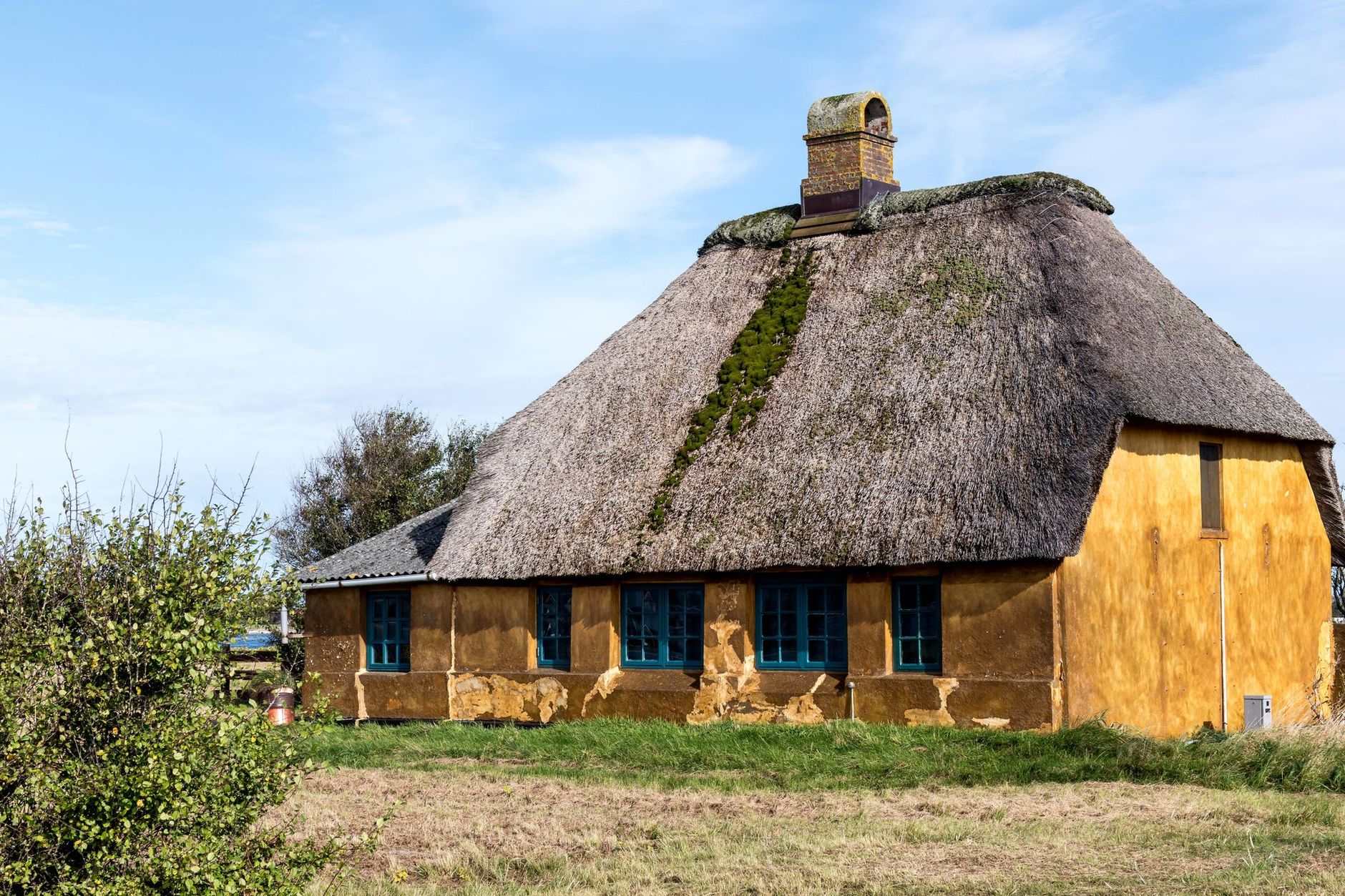
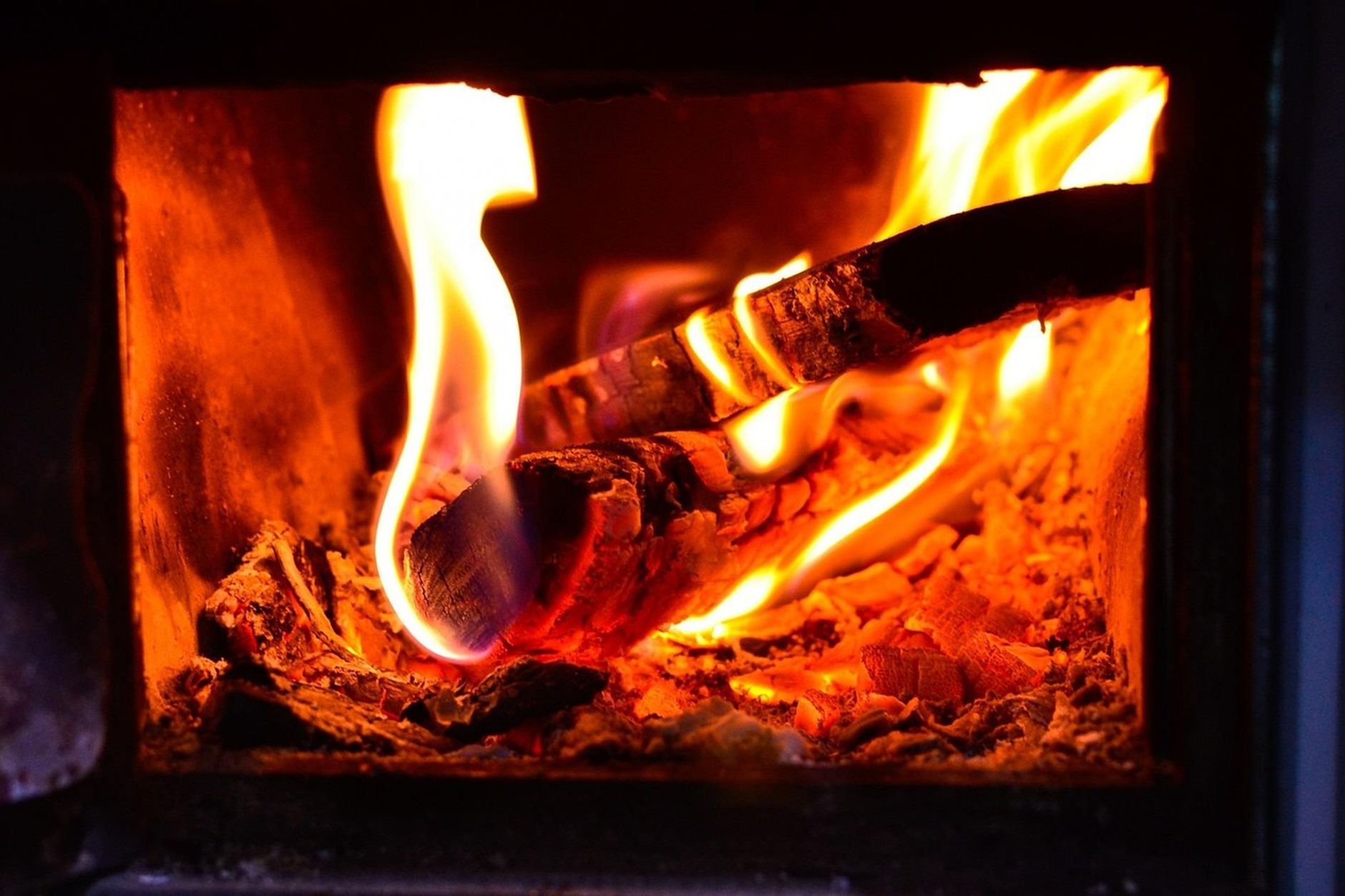
Before You Light
Every visit asks one question first: is this fireplace safe for the next fire? Caps, nests, dampers and pilots come before anything cosmetic.
After You Leave
A closed house still takes rain and wind. We set the chimney up to sit quiet: cap on, damper shut, gas off where the maker allows.
Owners Who Are Away
Many of our clients are not on site. Photos, dated reports and prices by email let you approve work from anywhere.
Price on Paper First
Repairs are listed and priced in writing once we have seen them. Extra work waits for your answer.
Closed houses, rentals and first fires
What owners of Fountain Valley getaways and rentals tend to ask before booking, answered plainly.
Where does Clifford Chimney Works work?
Fountain Valley is home base. Santa Ana, Orange and Newport Beach are the focus cities, and the areas page lists the other Orange County towns we drive to. If your getaway or rental is on that list, we can book it.
The house has been closed since last winter. What do we check before lighting a fire?
The top first: a missing or bent cap, a nest, leaves on the smoke shelf. Then the damper, which can rust shut over a damp season, and the firebox for loose brick. A Level 1 inspection covers all of that, and a sweep clears whatever moved in.
Why do birds and animals pick our chimney?
A quiet house with an open flue looks like a hollow tree to a bird or a raccoon. With nobody lighting fires for months, there is no smoke or heat to drive them off. A cap with mesh sides closes the top, and we clear old nest material before fitting one.
Our gas fireplace was off all summer and the pilot will not hold. Is that common?
Very. Dust and spider webs settle in the pilot hood, and the flame sensor gets a coating that stops it reading the flame. A gas fireplace cleaning usually sorts it; if a part has failed, the repair is priced before anything is ordered.
We manage the house from out of state. Do we need to be there?
No. A neighbor, cleaner or property manager can let us in, or tell us where the key is kept. You get dated photos and the written report by email, and nothing beyond the booked job starts without your yes.
What should we do when closing the house for the season?
Let the last fire burn out cold, have the ash cleared, and shut the damper or top damper tight. Turn gas fireplaces off at the valve if the maker allows it. A capped flue and a shut damper keep out rain, animals and drafts until you are back.
How much is a chimney inspection?
A Level 1 inspection is $160. A Level 2 with a recorded camera scan of the flue is $370. A sweep is from $395. Repairs are priced on paper after we have seen the chimney.
When does a part-time house need Level 2?
When the house changes hands, when a chimney has gone years without use, after a quake or a chimney fire, or when the fuel or appliance changes. NFPA 211 sets out those triggers, and the camera is how we see the inside of the flue.
Can tenants use the fireplace on any winter night?
Not always. Fountain Valley and the rest of Orange County fall under the South Coast AQMD, which can declare no-burn days for wood in the colder months. Gas fireplaces are exempt. A note in the rental binder saves a tenant from guessing.
Should a rental have carbon monoxide alarms near the fireplace?
A house with a fireplace, a gas appliance or an attached garage needs CO alarms under California law, and that includes rentals. Put one outside each sleeping area and test it between stays. We take a CO reading in the room after any gas fireplace work.
Is a cap enough, or does the crown need work too?
A cap keeps water and animals out of the flue, but a cracked crown lets water into the brick around it. We look at both on the same climb and write up what each needs, so you can decide on one trip.
Not covered here?
Ask Us Directly